


Resolve Marine's Subsea & Commercial Diving Services Support Underwater Projects
Commercial diving is underwater work carried out by trained, surface-supplied divers under a written dive plan when completing inspections, repairs, cutting, welding and recovery on vessels and structures that cannot be taken out of the water. Resolve Marine runs its own in-house diving department, working to the ADCI International Consensus Standards for Commercial Diving and Underwater Operations, the U.S. Navy Diving Manual and tables, 29 CFR 1910 Subpart T and 46 CFR Part 197.
Most of that work is unremarkable by design: a hull survey booked, completed and signed off; a valve changed without the ship leaving the berth. Some of it is not. Our divers and ROV pilots have recovered more than 476,000 gallons of oil from a torpedoed tanker sitting in 180 feet of water, sealed a 17-metre gash in a hull that had been leaking since 1968, and cut a 35-tonne cable plough free at 250 metres. The same department does both, and the routine work is better for it.
What we do underwater
Depth, current, visibility and what the client needs certified determine whether a scope goes to divers, to a work-class ROV, or to both.
- Inspection and survey
Visual, photographic, and video inspections. Hull mapping, plate thickness gauging and NDT or ultrasonic testing. Multibeam and side-scan sonar survey, source location and leak mapping. - Underwater repair and maintenance
Underwater welding, oxy-arc and ultra-thermic cutting. Blanking and plugging of sea chests and overboard discharges to change defective valves without drydocking. Propeller polishing, rope and net removal from stern tube assemblies, anode renewal, hull cleaning, patching and grouting. Airlift and jetting excavation. Our dive spreads carry Kirby Morgan helmets serviced by our own Kirby Morgan-certified helmet technicians at each diving location. - Hot tap fuel and pollutant removal
Hot tapping is how oil or other viscous products are removed from a sunken hull or submerged pipeline without opening it up. A valve is fitted while the tank is still full, the product heated where cold and depth have left it waxy, then pumped out through a closed connection - the tank is emptied rather than breached.
The scope runs in sequence: survey and map the target or vessel by multibeam, video and hull thickness gauging; model what remains in each tank; seal active leaks by patching, gasketing or internal plugging; tap valves where they reach bulk product; pump and re-pump until no further product release is visible. Where product can migrate back, pollution domes over the tap points allow future pumping to proceed without a fresh tap. - Subsea and marine infrastructure work
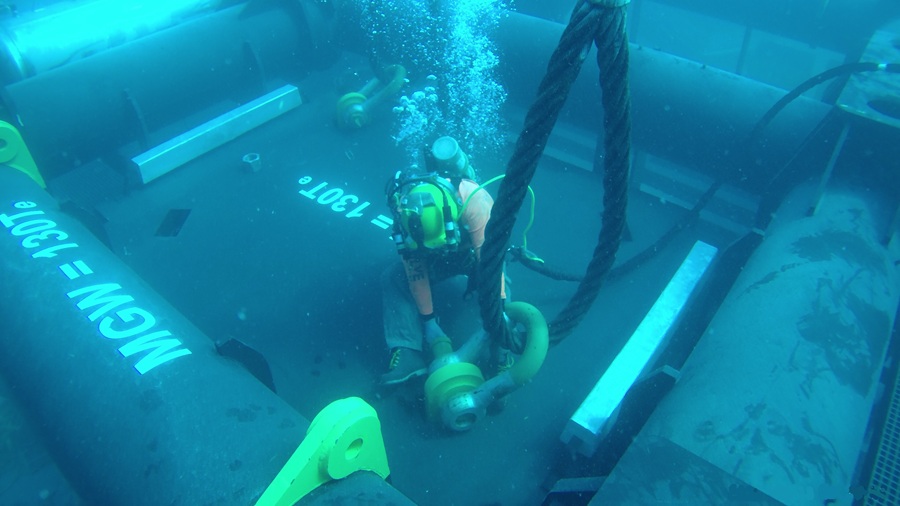
Pile and pile cap cutting, mooring dolphin and catwalk removal and reinstatement, pipeline sealing and internal plugging, subsea foundation and structure installation, and the underwater connection work that heavy lift depends on. - ROV inspection and intervention
Where depth, current or risk rules out putting a diver in the water, the scope goes to an ROV. Inspection-class vehicles handle survey, video and source location. Work-class vehicles carry manipulators and tooling and do the intervention, severing wire and cable, rigging and shackling for recovery, locating and lifting debris, and monitoring diver operations from outside the worksite. They pair with a hydraulic salvage grab, subsea survey package or heave-compensated crane as the job requires, and they work well past the 190-foot limit that governs our surface-supplied diving. - Salvage and emergency dive support
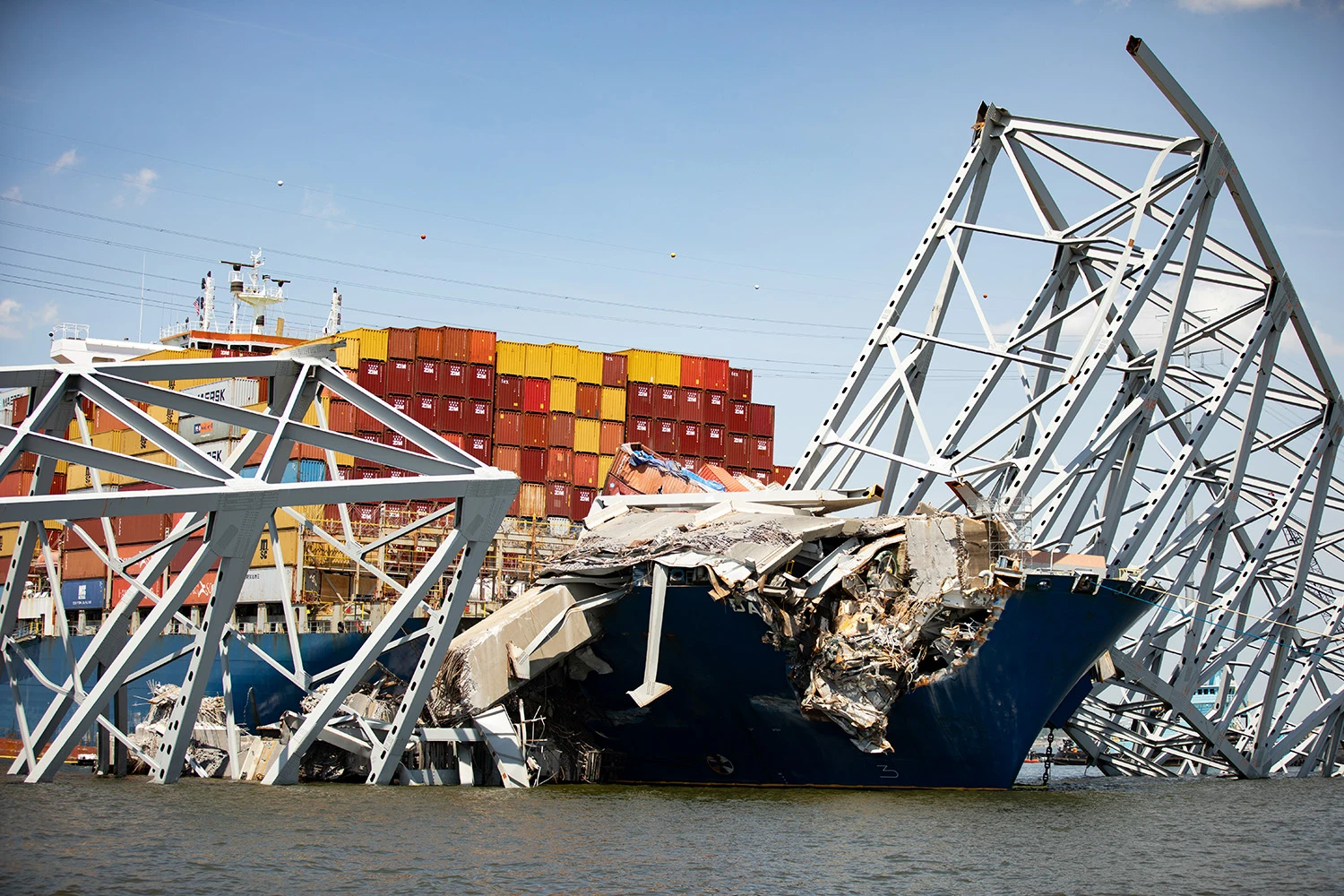
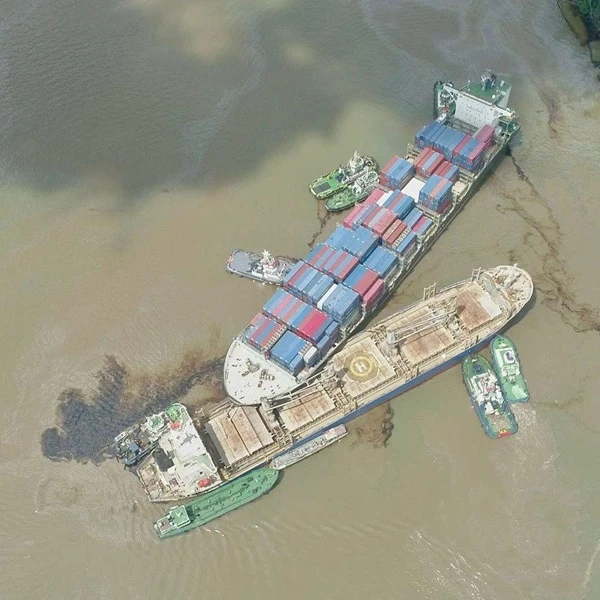
Our divers are part of our marine salvage, emergency response, and wreck removal operations, not a subcontract to them. They work alongside salvage masters, naval architects and marine engineers on vessel recoveries, wreck removal, pollution response and underwater damage assessment, which is why a dive team can be mobilized on the same call as everything else the casualty needs.
Case Study
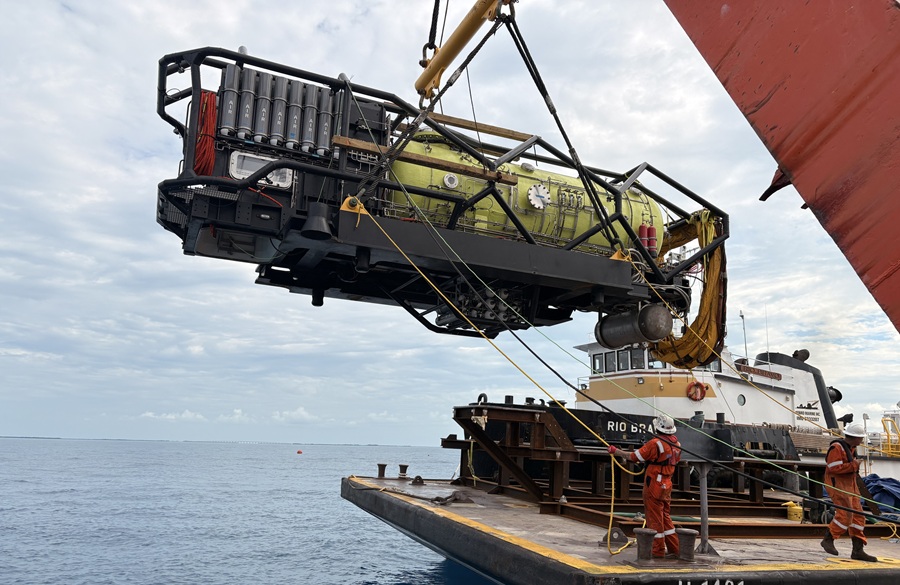
When DEEP came to us for installation with their Vanguard Subsea Human Habitat System, our team of engineers got right to work. The Vanguard, designed to enable multi-day subsea research missions, was designed to place crews on the ocean floor for days at a time. The chosen location was Tennessee Reef, a coral reef located within the Florida Keys National Marine Sanctuary. The mission was to install a large complex structure in close proximity to sensitive coral reef habitats while facing the day-to-day challenges of working offshore. Resolve Marine achieved this by working with DEEP to adapt plans to site conditions and to implement custom underwater solutions. The project, complex in nature, included subsea drilling and pile installation, underwater grouting and heavy lift operations.
After months of careful orchestration, including the utmost care for the environment, the Vanguard was successfully installed 17 meters below the water's surface. This project is a testament to our technical excellence and ability to operate safely in delicate marine environments.